She Who Became the Sun Review
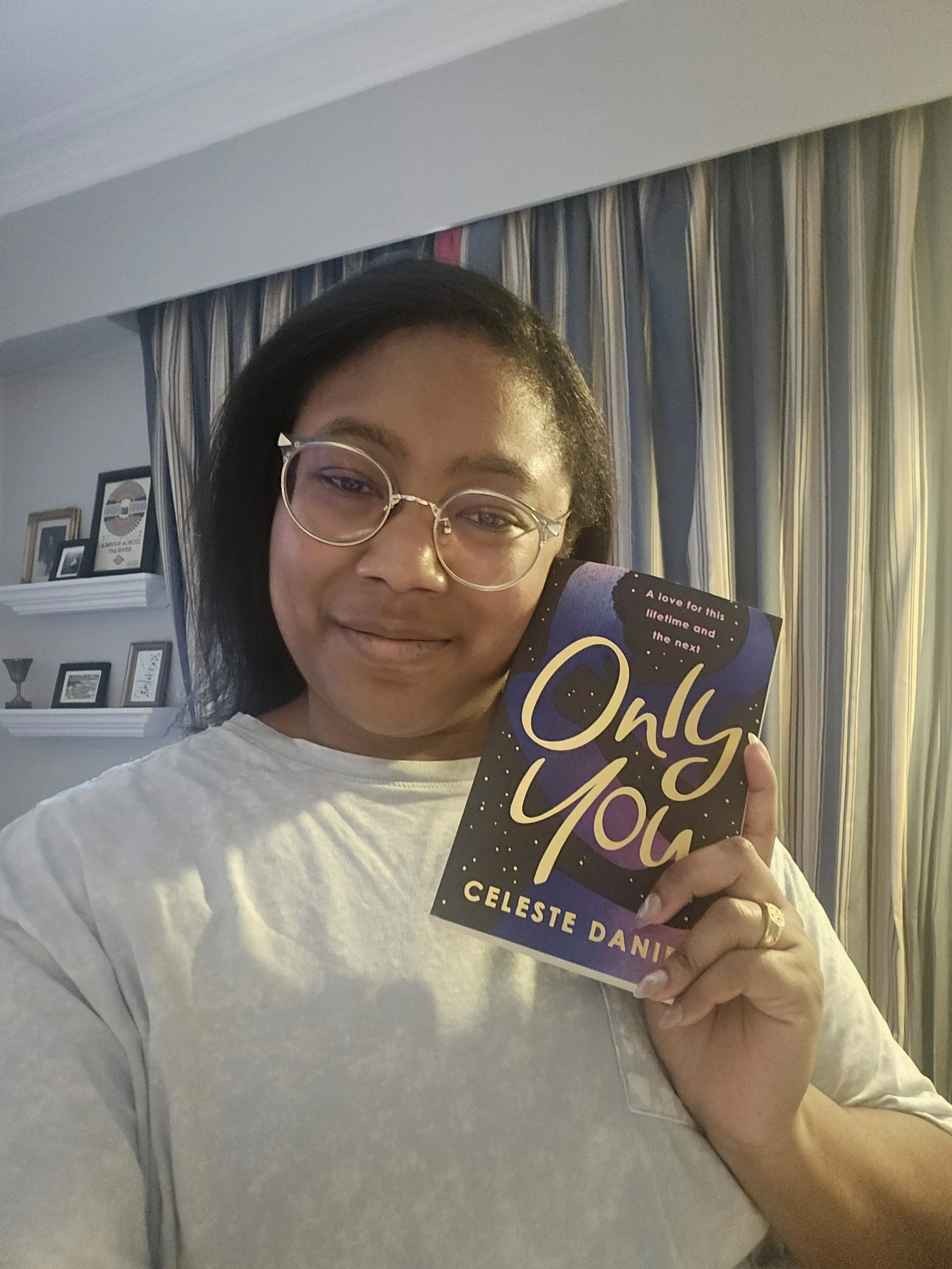
By Celeste Daniels
TW: War, death
Hello, audacious readers!
I hope the seeds you’ve planted at the beginning of the year are finally blooming. If not, don’t worry. As we’ve discovered this last month, even in the most chaotic of times, there’s always a chance to pivot. In March, we read the haunting but beautiful work of Warsan Shire in her first poetry volume, Bless the Daughter Raised by a Voice in Her Head. This month, we’re exploring the fight and cost of creating your own destiny in She Who Became the Sun by Shelley Parker-Chan.
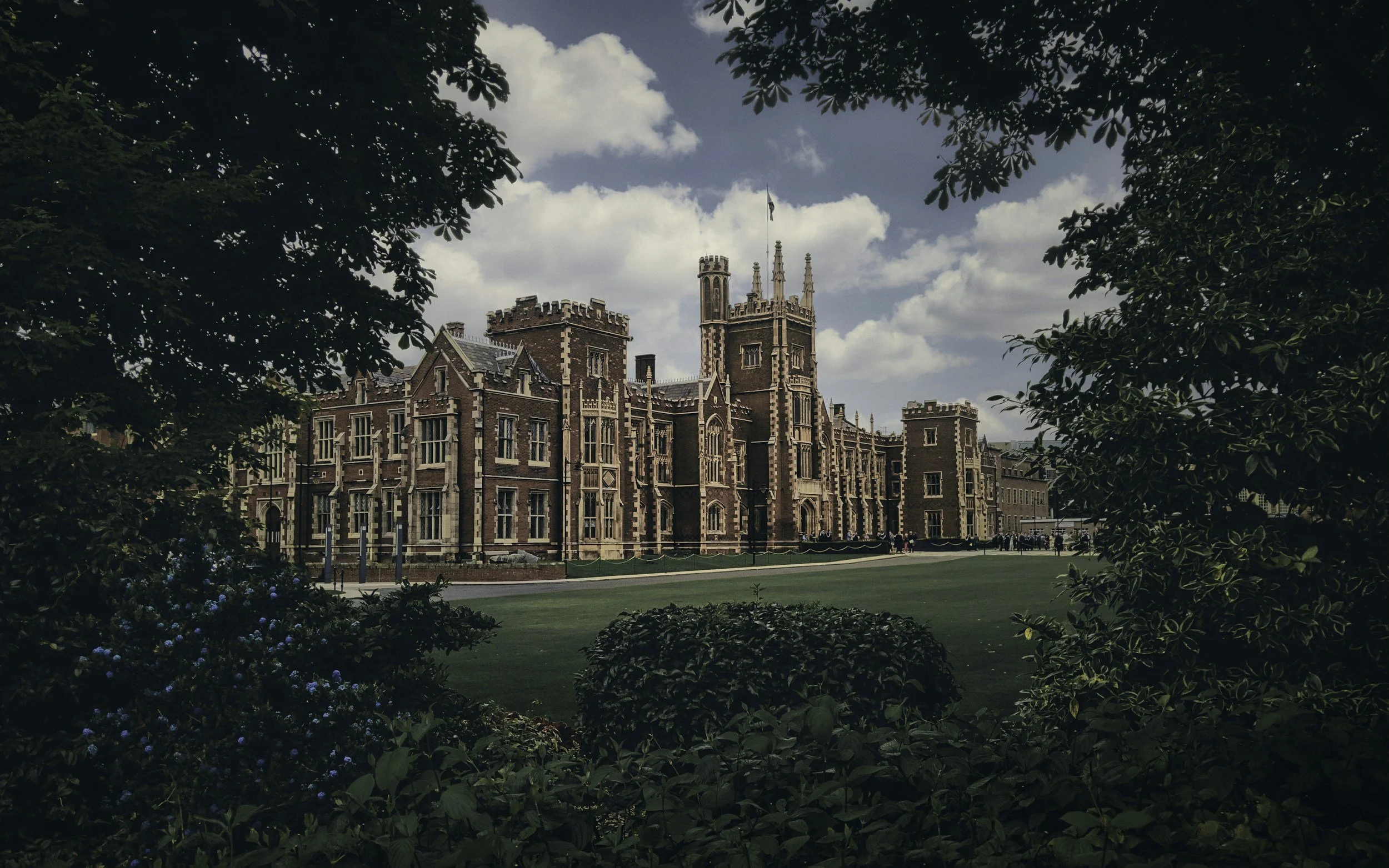
In 1345 Mongol-ruled China, an unnamed girl from a starving village watched her brother, Zhu Chongba, be told he holds a fate of greatness while she will die forgotten. However, when bandits attack the village, she is the only one to survive. Desperate to remain alive, she takes her brother’s identity to escape to enter a monetary. Over the years, Zhu grows and learns, wielding the same cleverness that kept her alive as a child into her adolescence, exploring the freedom she now has as a “boy.”
At the same, General Ouyang—a Han man casted when he was young and forced to serve the Mongolian royal family—plots his own change of fate. On the surface, he is a loyal servant and best friend to Mongolian Prince Esen. In reality, Ouyang hates his rulers and plans to overthrow them, even as his feelings for the crown prince become complicated.
Entering into war, Zhu and Ouyang fight on and off the battlefield to change the world before them. As their desire for power grows, they’ll have to push themselves farther than ever before and face their greatest fears, destroying their previous selves to make room for the conquerors they will need to become.
While not my go-to, I’ve always enjoyed a good war story, and this one is exceptional. The intricacy in which Parker-Chan writes is walks the thin line between history and entertainment expertly. I like how she balances history, political intrigue, and action throughout the prose. Because of this, the reader gets the proper context without being overwhelmed by facts, leaving plenty of room for readers to get invested in the characters.
Though most of the story focuses on Zhu, the dual point of view of both her and Ouyang are equally important. The story builds on them individually and does a good job of building the anticipation of seeing how their paths will cross. Instead of saving it until the end, their duel is only the middle point and the last effects it leaves on them push the rest of the story. You see the genuine transformation in their characters as they both become more and more ruthless to meet their own goals, one through the gaze of a great hero and the other as a villian. It makes for a fascinating contrast that’s absent from a lot of stories I come across.
I also appreciate the discussion around gender that both characters bring up. For Zhu, they start as a distinctly female character but after living as man until their adulthood and marrying a woman, they no longer identity as a woman and it feels like a natural progression of their character rather than a denial. Meanwhile, Ouyang carries a hatred for women due to being perceived similar to one since he was forced to become an eunuch. The shame extends to his feelings for Esen, knowing that Esen would never respect his romantic feelings as a man but instead likely see it as an extension of Ouyang being a “woman.” So often gender is assumed in these stories so to have one that fully engages in its complexity is refreshing.
Perhaps my favorite part is the mirroring of these characters. Both are staging coups on their respective sides with the main people they kill to gain a higher position being a metaphorical representation of their old selves. For Zhu, she kills the child who had been mandated to rule the newly forming empire of China, stealing the throne in a similar siutation that forced her to steal her brother’s name. On the other side, Ouyang kills Esen, the source of his weakness, both as a servant and a person.
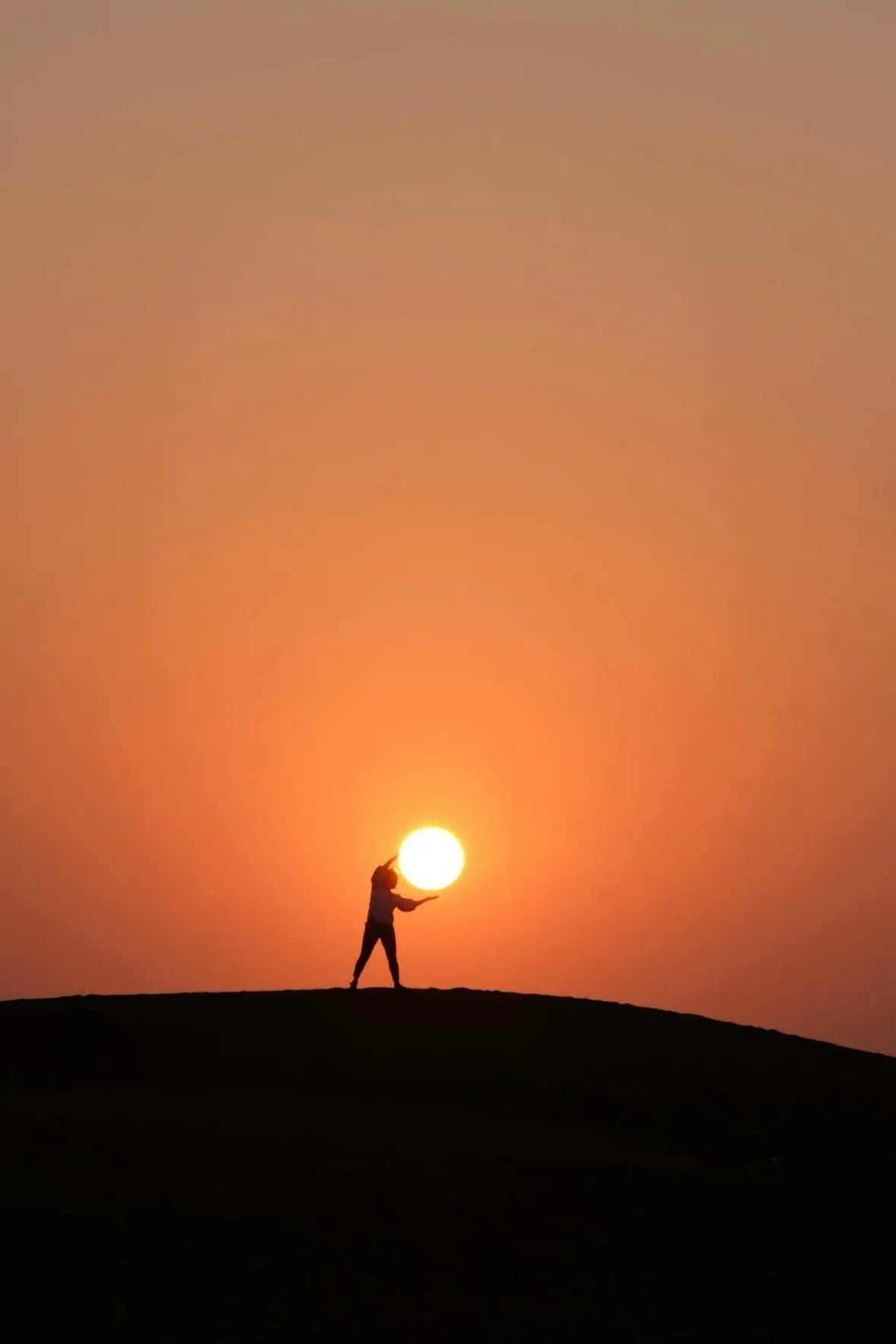
It would be easy to view their actions as monstrous but that would leave out too much context. I think they are the reflection of the worlds that created them. The world was ruthless, cruel and the only people who get what they want are those who take it. And while it’s great when a hero is created, that’s very rarely the case. More often, people become the monster that hunted them. So, there’s one question that the book leaves readers with: When faced with the choice of staying your old self and paying a high price for greatness, what will you choose?
I hope you enjoyed She Who Became the Sun and stay tuned for our May read. In the meantime, make sure to RSVP for Audacity's 7th Anniversary Community Market on May 30th! Enjoy good music, food, support local small businesses, and even promote your own! Also, keep an eye out for the “Not ya mama’s book club” merch, which will also be available at the event.
As always, don’t forget to read audaciously!